Upgrading your ATV tires can make a huge difference in your ATV’s performance, safety, and handling. In The Ultimate Guide to ATV Tire Upgrades, we’ll cover everything you need to know from the benefits of upgrading to choosing the right tire for your terrain, understanding tire sizes, ensuring compatibility with your ATV, and tips for installation and maintenance. Let’s get started and upgrade your ATV experience!
Quick Facts
Upgrading your ATV tires improves handling, ground clearance, and durability on all terrains.
Choosing the right tire for the terrain, whether that be, mud, sand or snow, will do wonders for your ATV’s performance and safety.
Proper tire size and stock rim compatibility is key to stability and performance when upgrading your ATV tires.
Why Upgrade Your ATV Tires
Upgrading your ATV tires is more than just a cosmetic change; it’s a performance upgrade. One of the first things you’ll notice is improved handling. New tires will give you better grip on all surfaces and overall stability and safety. But bigger tires will raise the ATV’s center of gravity and make it less stable on sharp turns.
Another big advantage of bigger tires is more ground clearance. This is especially good when you’re riding rough terrain with lots of obstacles. With more ground clearance you can ride over rocks and roots without getting stuck or damaging your ATV. It makes your rides smoother and more fun especially on tough trails.
Tire technology has come a long way and is more durable and performing. Modern tires can handle harsher conditions and last longer, getting you more value for your money. Upgrading your ATV tires is the right move if you want better traction, handling or overall performance.
ATV Tires for Different Terrains
Choosing the right ATV tire depends on the terrain you’ll be riding on. Each type of tire is designed to perform best in specific conditions so you get the most out of your ATV.
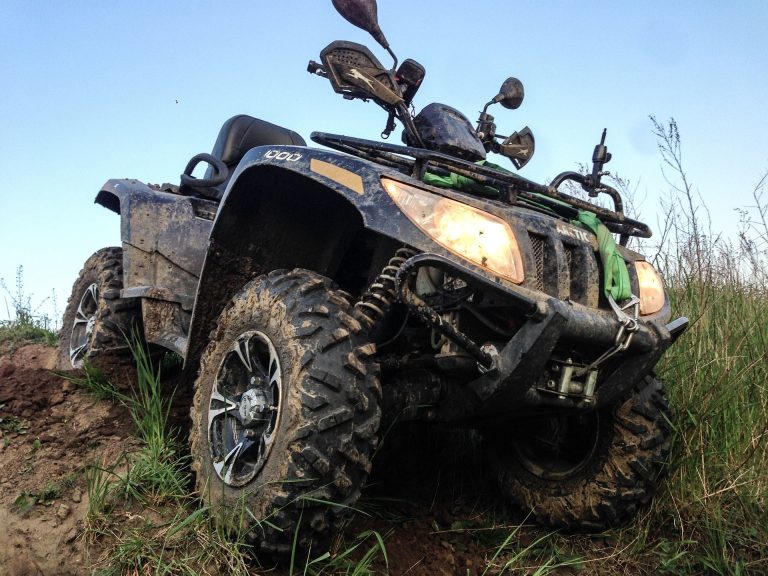
Mud tires are for those who love off roading in wet and muddy conditions. These tires have wide and deep treads to expel mud and maintain traction. So you can tackle the stickiest of mud pits without getting stuck. Sand tires or paddle tires have a wider footprint to push through loose surfaces like sand dunes.
Robustness is key for rocky terrain. Tires with deep treads grip uneven surfaces and prevent punctures, smooth ride even on jagged rocks.
Snow tires use soft compounds to stay soft in cold weather and have deep treads or studs for better grip. All terrain tires are versatile but may struggle in extreme conditions.
ATV Tire Sizes
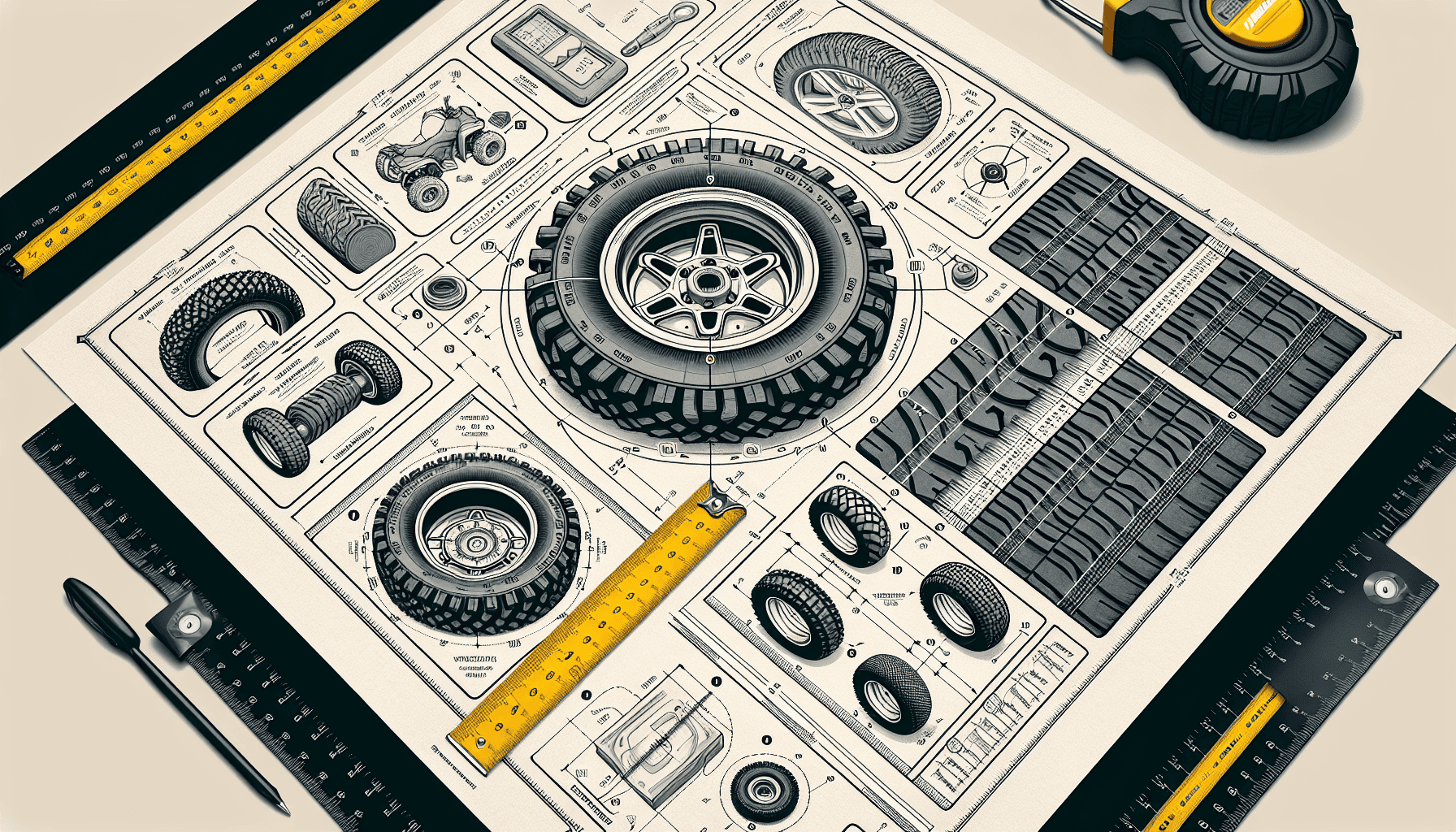
Understanding ATV tire sizes can be overwhelming at first but breaking it down into simpler terms makes it easier. ATV tire sizes have three numbers that indicate the tire’s height, width and rim diameter. For example in a tire size marked as 25×10-12 the first number (25) is the overall height of the tire in inches when fully inflated. The second number (10) is the overall width in inches and the third number (12) is the rim diameter in inches. Understanding atv tire sizing will help you make informed decision when choosing the right tire for your ATV.
When you read ATV tire sizes you’ll notice an ‘R’ in some of the specs. The ‘R’ means radial tire which gives a smoother ride and better traction at high speeds. Without an ‘R’ means bias tire which is more durable and better for off road use.
Understanding these measurements is key as it can affect your ATV’s performance and handling. The overall height and width of the tire is measured when the tire is fully inflated so you get accurate sizing. This knowledge will help you choose the right tire size for your ATV and your riding experience.
Choosing the Right ATV Tire Size
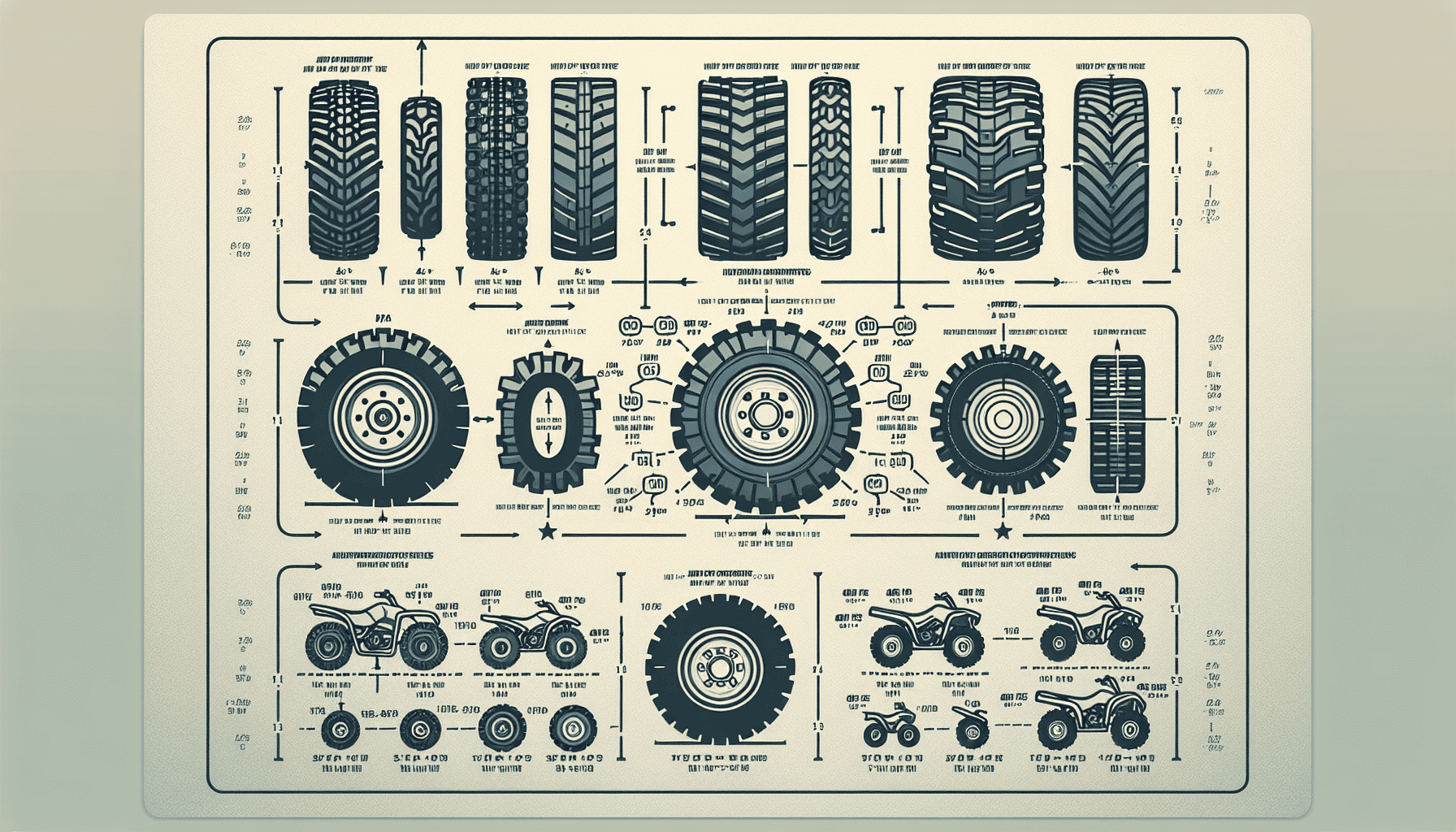
Choosing the right ATV tire size involves many factors, the terrain you’ll be riding on. For example, wider tires are for soft ground as they provide better flotation and traction. Narrower tires are for hard packed surfaces where less tire width means better control and stability. Understanding atv tire sizes is key to making the right decision.
Your riding style also matters. Aggressive riders tackling tough terrain need tires focused on traction and durability. Casual riders who ride on varied terrain may want all terrain tires that balances performance and versatility.
Your ATV and any additional cargo will also affect tire selection. Properly sized tires will distribute the weight evenly and reduce stress on your ATV. If you choose larger tires be prepared for changes in gear ratio and increased rotating mass which will reduce low end torque. You may need to consider modifications like gear reductions or a clutch kit to maintain optimal performance.
Stock Rims and Wheels Compatibility
Compatibility of new tires with your ATV’s stock rims and wheels is key. Tires must match the width of the rims to avoid performance issues. Using tires that are wider than the stock rim will result in improper fit and tire overhang which will compromise stability.
Also make sure to match the bolt pattern of the new tires to the stock wheels for proper fitment. Any misalignment will be unsafe and can damage your ATV. Always refer to the manufacturer’s specs and if needed, use the same tire sizes whenever possible for safety and performance.
When choosing new tires make sure the rim diameter matches your stock rims. This will prevent any mounting issues and ensure the tires fit snugly. By focusing on these compatibility factors you can safely upgrade your ATV tires without sacrificing performance or safety.
How Larger Tires Affect Your ATV
Larger tires will affect your ATV’s performance. One of the main effects is the increased torque required to maintain speed due to the added weight and rolling resistance. This means your ATV’s engine will have to work harder which will result to reduced fuel efficiency.
Larger tires will also affect the handling and suspension components. The added size and weight will change the dynamics of your ATV and will feel different when cornering or riding over rough terrain. Consider these changes and adjust your riding style accordingly.
Wider rims may be required to support the larger tires properly for optimal stability and performance. You also need to consider the wheel offset to prevent the tires from rubbing against the ATV’s frame. Understanding these factors will help you make informed decision when upgrading to bigger tires without sacrificing performance and safety.
ATV Tire Installation Tips
Installing new ATV tires is easy with the right tools and techniques. Using a bead breaker will make removing tires from the rim much easier, especially so for smaller sizes. Applying soapy water around the bead will also help lubricate the tire for easy removal.
Proper lubrication during mounting will prevent damage to the tire and rim. This will make the installation smoother and reduce the risk of pinching the tire.
Hand tools like spoon levers can be used for mounting tires but may require more effort and precision than professional tire mounting service. If you’re not sure of your skills, professional help will ensure proper and safe installation.
ATV Tire Maintenance
Maintaining your ATV tires will extend its life and performance. Installing bigger tires will stress the ATV’s drivetrain and suspension more and can wear them out faster. Regularly check your upgraded tires to catch any signs of wear and tear early to prevent further problems down the road.
Keep the correct tire pressure as under inflation or over inflation will reduce performance and increase wear. Keeping your tires at the recommended pressure will give you optimal traction and handling and overall better riding experience.
Set a rotation schedule for your new tires and you’ll have even wear and longer tire life. This simple step will make a big impact on your ATV tires performance and durability so you can ride worry free.
Conclusion
Upgrading your ATV tires has many benefits from better handling and traction to more ground clearance and overall performance. Knowing the types of ATV tires and how to read ATV tire sizes will help you make the right decision for your riding style and terrain.
Selecting the right tire size and ensuring it’s compatible with your stock rims and wheels will prevent performance issues and safety concerns. Bigger tires will enhance your ATV’s capabilities but requires careful consideration of handling changes and modifications.
Follow the installation and maintenance tips above and your new ATV tires will perform better and last longer. Remember the right tires will take your ATV adventures to the next level and make every ride feel like a blast!
FAQs
What are the advantages of upgrading my ATV tires?
Upgrading your ATV tires will really make your ride better by improving handling and traction, you’ll have better control and performance on different terrain. You’ll also get more durability and potentially more ground clearance and more fun.
How to read ATV tire sizes?
Reading ATV tire sizes is easy: the format is usually three numbers like 25×10-12, where 25 is the height, 10 is the width and 12 is the rim diameter. Remember this and you’ll choose the right tires for your ride!
Can I use bigger tires on my ATV?
Yes, you can use bigger tires on your ATV but keep in mind it will affect torque, handling and may require wider rims or gear reductions. Weigh the pros and cons before you make the change!
How do I ensure my new tires will fit my ATV’s stock rims?
To ensure your new tires will fit your ATV’s stock rims, check that the tire width matches your rim specs and the bolt pattern. Stick to the manufacturer’s recommended tire sizes for compatibility.
What to do for my ATV tires?
Check for wear and damage, maintain correct tire pressure and rotate to get even wear. That’s it!